Auto OEMs redesigning their portfolio and modifying production footprints

Kia had its CEO Investor Day 2026 on 9 April

  • In the high‑volume B‑SUV segment, Kia will focus on expanding sales of the Seltos and Sonet SUVs, targeting annual sales of more than 200,000 units by 2030 for each model respectively.
  • Disclosed granular SDV (Software Defined Vehicle) milestones and a concrete deployment roadmap, targeting completion of its first SDV model with Level 2+ highway autonomy by end-2027, followed by Level 2++ capabilities – extending to urban environments – by early 2029.
  • Plans to establish a “data union” through sensor standardization while leveraging its global fleet of several million vehicles to build a data flywheel, where real-world driving data continuously improves model performance and is deployed back into production vehicles.
  • Strategy follows a two-track framework, combining swift market penetration via global partnerships with sustained in-house model development, establishing a synergistic loop between commercialization and technological capability building
  • First SDV model will integrate the Group’s own architecture – CODA (Computing &I/O Domain-based Architecture) – with Pleos Connect (next-gen infotainment platform) and Gleo AI (in-vehicle Agentic AI). NVIDIA will provide the standardized ADAS stack and compute infrastructure, while AVP is responsible for mass production, safety, and regulatory compliance. 42dot will serve as the core innovation hub for operating systems (OS), software platforms, and AI model development
  • Is investing USD500mn+ in AI infrastructure and talent to strengthen Physical AI and VLA (Vision-Language-Action) capabilities, while leveraging its global manufacturing footprint to secure initial demand and collect real-world data. Atlas production is expected to be carried out through a new entity, Robotics America’, with the ownership structure yet to be finalized. Deployment will begin at Hyundai Motor Group Metaplant America (HMGMA) in 2028, followed by expansion to Kia Georgia (KaGA) in 2H29 and subsequently to global facilities. Beyond internal manufacturing use, Kia aims to expand into external markets, including last-mile delivery through integration of PBVs (Purpose-Built Vehicle) with robotics solutions.

Hyundai is trying to take e leading position in Robotics

  • The group’s near-term robotics strategy is focused on internal industrial deployment first, with external commercialization likely to follow applications that have been proven in real manufacturing environments.
  • Its robot commercialization roadmap seems more realistic than Tesla’s. It also has a multi-pronged autonomous driving strategy, consisting of Plan A (in-house development), Plan B (external system adoption), and Plan C (focus on foundry)
  • Planning to open robot meta plant application centre (RMAC), which generates and refines the behavioral datasets robots need, in late 3Q26
  • Focusing on resumption (after recall) and ramp-up of Palisade production and the roll-out of affordable BEVs in Europe could be tailwinds

Honda is cancelling the launches and development of some EV models in response to a slowdown in the North American EV market.

  • Related expenses and losses associated with the program could total as much as Y2.500 trillion, equivalent to $15.69 billion
  • Honda aims to strengthen its hybrid electric vehicle models to improve profitability of its car business. It also plans to capitalize on solid earnings from its motorcycle and financial services businesses to maintain stable returns to shareholders.
  • It will renew product lineup in its automobile business, mainly in North America, Japan, and India. It plans to launch large HEVs for North America and new-generation HEVs for the global market

Ford announced the establishment of a new end-to-end organization,

  • Product Creation and Industrialization, to deliver one of the most intensive products, software, and services rollouts in Ford’s history.
  • Creating the Product Creation and Industrialization team, Ford aims to be  be able to turn its highest volume vehicles into platforms for digital growth.
  • By 2029, Ford will refresh 80% of its North American portfolio by volume and 70% of its global portfolio by volume. This includes the first vehicle on the Universal Electric Vehicle (UEV) platform, a mid-sized pickup, and the next-generation F-150 and F-Series Super Duty.
  • UEV design will utilize “unicasting” to reduce weight and complexity, enabling a new, more efficient assembly process

Nissan has announced its “long-term vision” on April 14.

  • Streamline its lineup to 45 models from 56 while expanding powertrain options per model, implementing component standardization, and cutting development times.
  • 3 product families to cover at least 80% of global volume. All models aimed to be upgraded accordingly by end of 2027
  • Streamlining lineup from 56 to 45 models while expanding powertrain options per model
  • Next-gen ProPILOT using Wayve’s E2E AI stack targeted by fiscal year 2028; aims to equip ~90% of models with AI-based Autonomous Drive
  • Open to explore “options” and may look to work with Honda for a stronger play in India

Stellantis is considering a production partnership with Dongfeng in Europe and scale down EVs

  • talks about giving Dongfeng access to underused Stellantis factories in Europe
  • Scaled down BEV investments under “Dare Forward 2030”; multiple EV cancellations

Geely launched an AI-based hybrid gas-electric platform, claiming superior fuel efficiency compared to Japanese competitors, consuming 2.22 liters per 100 kilometers

Isuzu and Toyota to Jointly Develop Japan’s First Mass-produced Light-duty Fuel Cell Electric Truck

  • The new vehicle will be based on the ELF EV, launched in 2023 and designed using I-MACS*3, Isuzu’s product development platform. It adopts Toyota’s next-generation fuel cell stack
  • Main challenge to the widespread adoption of FCEVs is the high vehicle price point. Isuzu is working to reduce costs by optimizing the vehicle body structure and reviewing manufacturing processes. Meanwhile, Toyota is undertaking similar efforts through innovations in fuel cell design and manufacturing processes

The main agenda of the new Toyota management is lowering the breakeven point.

  • Earnings structure that supports the entire supply chain even during deterioration in the external environment or sudden changes, and that enables continued investment for the future is aimed for.
  • Cross-shareholdings are being eliminated to priorities ROIC, and it is unlikely to fully integrate group companies with low-profit manufacturing businesses as wholly owned subsidiaries
FOAD: Fear of AI Disruption

AI has been the main driving force behind market rally in last 2 years. As of February, it is no more. No corner of the market has felt completely safe since last week. It began with AI disintermediation fears for SaaS software, and then cascaded into a broad, multi-sector sell-off.

As part of their quarterly business results announcements, in the beginning of the month, the largest hyperscalers revealed their plans to double their spend on AI infrastructure (much of it redirected from enterprise software budgets), pushing their free cash flows into negative territory, triggering Mag 7 selloff.

Rather than high Mag 7 valuations, investors are increasingly worried about AI threatening to disrupt business models of certain industries.

Anthropic’s recent Claude Cowork launch triggered a single-day $285 billion wipeout led by SaaS shares like Salesforce, Workday, Intuit and others. The iShares Expanded Tech-Software Sector ETF (IGV) is down over 23% year-to-date in 2026, entering a technical bear market as AI fears trigger indiscriminate selling. Software price-to-sales ratios have compressed from 9x to 6x, levels not seen since the mid-2010s.

The core fear is straightforward: if AI agents can perform the tasks that enterprise software tools are built around — document management, workflow automation, data analytics — then the per-seat SaaS model breaks down. Besides workflow-focused SaaS, data provider platforms like Thompson Reuters, S&P and Moody’s also suffered considerable blow.

Shares of major insurance brokers fell after Madrid-based startup Tuio unveiled a new insurance app built with ChatGPT, sparking fears that AI tools could eat into existing companies’ business models and customer bases. Tuio communicates and understands users’ need through natural conversation and returns an accurate, personalised quote from a regulated carrier, in real time, without leaving the AI interface. Insurance brokers and insurance companies relying on broker channelshave been heavily sold in the market on the same day.

Launch of an AI-enabled tax planning tool by Altruisthit public wealth management firms.  Raymond James and LPL Financial holdings were among the most impacted. Shares of major real estate services firms declined sharply after investors assessed their vulnerability to emerging AI applications. CBRE Group (CBRE) and Jones Lang LaSalle (JLL) each dropped about 12%, while Cushman & Wakefield (CWK) fell 13.8%. The concern is two-fold: AI has the potential to compete with traditional real estate brokerages and agents, but also it might significantly decrease demand for office space in general.

Last Thursday, logistics stocks became the latest victims of the AI fear trade, thanks to a new tool from AI firm Algorhythm Holdings called SemiCab, which touts itself as “the world’s most well-orchestrated transportation platform.”, reducing the volume of freight. Logistics giants C.H. Robinson and RXO fell as much as 20% each. The Dow Jones Transportation Average sank 4% and had its worst day since April.

Although most of the concerns are based on hypothetical scenarios which are more ‘speculative’ (at least in their current form) rather than based on visible fundamental changes to the revenue streams of impacted companies, Generative AI will have much broader capabilities compared to the currently available models with the potential to disrupt a high number of industries. It is highly possible that software providers with narrow, task-specific functionality that AI can replicate will seriously be obsoleted. Those software and platforms focusing on learned interfaces, public data access, talent scarcity and bundling are prone to be weakened if not obsolete. However, those with proprietary data, regulatory lock-in, network effects, transaction embedding and systems of record will potentially be stronger with the help of Gen AI. So the AI disruption will possibly polarize the software market (and some others as well) pushing each player to one end of this spectrum, creating highly compressed process of Schumpeterian creative destruction. Unlike the previous waves,we will be surprised by the pace of the process, and it will not be limited to software market.

The equity markets may stay in the ‘shoot first, ask questions later’ mode in the couple of years ahead, till the impact of Gen AI is visible (rather than speculated) and well digested.

Genel içinde yayınlandı

Aldım, verdim, ben seni yendim

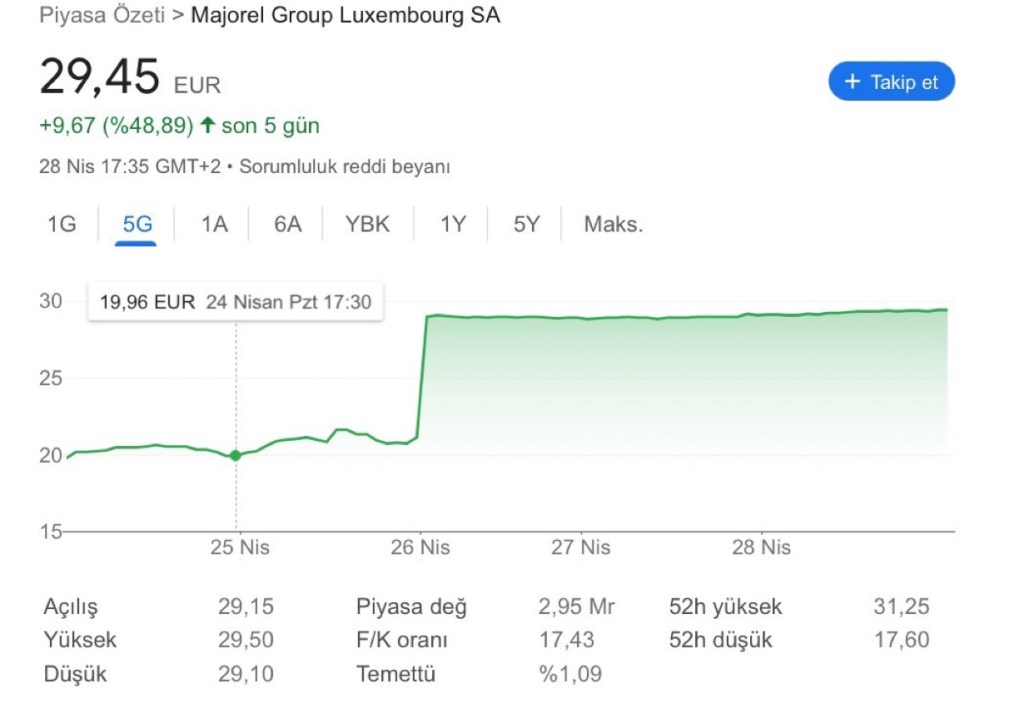
Şirket satınalmalarında salan alınan halka açık ise işlem hakkında piyasanın tepkisi hemen anlaşılabilir.

$TEP in $MAJ ı satınalması $MAJ hissedarlarına yaradı. Genelde de satınalınanın yüzü güler.
Mühim soru ise şu: #AI (yapay zeka) uygulamaları sektörü nasıl etkileyecek?

Genel içinde yayınlandı

Haber ve fiyat

Sermaye piyasalarında şirket haberleri ile #fiyat hareketleri arasındaki bağ (ve öngörülebilirlik) zayıflıyor. Aşırı fiyat tepkileri eskiden kısa vadeli kazanç fırsatı iken bugünlerde tepkinin yönünü ve zamanını kestirmek kolay değil.
Druckenmiller’a göre algoritmik trande ana sebep:
“these factor investors, algos and quants definitely really mess up what used to be historical price action versus news.”

Genel içinde yayınlandı

Bulanlar arayanlardır

“Bütün insanlar doğal olarak bilmek ister.” İskender’in öğretmeni Aristoteles’in, Akademi’deki öğrencilerinin aldığı ders notlarından oluşan ünlü Metafizik kitabı böyle başlar. Bilmeye yönelten istenç doğumdan itibaren bizimle, üstelik bildikçe artıyor. Teknolojik imkanlar ile iletişimin mekândan da bağımsız olarak süre gelebildiği hayatın yoğunluğu, zaman zaman “bilmemek bilmekten iyidir” (1) dedirtse de bizlere, günün sonunda, “yaşamak, yani ağır bastığından“ (2) öğrenme ihtiyacımız sürüyor. İnternet’in hızlı benimsenmesi de iletişimin yanısıra, öğrenme ihtiyacını etkili şekilde karşılamasından geliyor. İnternetin ilk yıllarında bir siteye erişebilmeniz için web adresini tam olarak bilmeniz gerekliydi. Bunun için bir defter tuttuğumu hatırlıyorum. 1990’ların ortasında web sayfalarında metin tarama imkânı veren arama motorlarının (Aliweb, Lycos, Altavista vd.) ortaya çıkması, web adresini bilemeyeceğimiz yüzbinlerce siteye erişmemizi sağladı. Yahoo, Explorer ve sonrasında Google ile hızlanan ve etkinliği artan arama motorları, arama sonuçlarının gösterildiği sayfaya aldıkları reklamlar ile devasa boyutta bir reklam mecrasına dönüştü.

İki genç kurucusunun geliştirdiği etkili algoritma ile güçlü rakiplerini alt ederek arama motoru sektöründe (Çin’in dışında) adeta tekel haline gelen Google, geçen yıl 283 milyar dolar net satış geliri etti. Şirketin güncel piyasa değeri 1.3 trilyon dolar düzeyinde. OpenAI adlı girişimin Kasım 2022’de piyasaya sürdüğü “sohbet robotu” ChatGPT’nin başarısı, “Artık arama robotlarına ihtiyaç olmayabilir mi?” sorusunu gündeme taşıdı. ChatGPT, dil algoritmalarının, görevli eğitmenlerce desteklenerek geliştirildiği bir dil modelleme aracı: sizinle sohbet edebiliyor, sorularınızı yanıtlıyor, siz sormayı sürdürdükçe yanıtları daha da detaylı olarak sizinle paylaşıyor. Sohbetin yanısıra bilgisayar programı veya kompozisyon yazabiliyor, test çözebiliyor, müzik parçalarını besteleyebiliyor. Kısaca bugün arama motorlarının sunduğu işlevlerin tamamını gerçekleştirebiliyor. Arama motorları aranılan içeriği en yakın şekilde sağlayan web sitelerine yönlendirme yaparken ve ilgili bilginin içeriğinden sorumlu değil iken, sohbet robotları kullanıcılarına doğrudan aranan bilgiyi veriyor. Bu durum, arama motorlarından farklı olarak, bu yazılıma verilen bilginin içeriği ile ilgili kavramsal, hukuki ve etik sorumluluk da yüklüyor. Daha karmaşık bir iş modeli.

Arama motorlarında listelenen sonuçların üzerinde öneriler olarak çıkan reklamlar, sohbet robotlarında -muhtemelen- daha doğrudan bir şekilde, öneri olarak karşımıza çıkacak. Böylesi reklam içeriği, satın alma etkisini ve reklam yatırımının geri dönüşünü (“conversion”) ciddi oranda artırırken, rekabeti de kısıtlayabilir. İlginç bir (potansiyel) rekabet hukuku sorunu. Sohbet robotları arama motorlarının bir ara yüzü olarak mı çalışacak, yoksa onların yerini mi alacak? Büyük teknoloji şirketlerinin oldukça karlı arama iş kollarını ortadan kaldırmayı değerlendirmeleri ancak çok daha karlı bir iş modelini oluşturabilmeleri (aklıma enerji sektörü geliyor) ile veya yeni bir oyuncunun onlara meydan okuyarak başarılı olması ile mümkün. Microsoft’un vakit geçirmeden ChatGPT’yi geliştiren şirkete yatırım yapma kararı alması, Google ve Baidu’nun kendi sohbet robotlarını hızla geliştiriyor olması bu açıdan önemli gelişmeler. Microsoft’un lansmanını yaptığı ilk uygulama, yapay zeka destekli sohbet robotlarının -en azından ilk aşamada- mevcut arama motorlarının etkinliğini artıracak eklentiler olarak konumlanacağını gösteriyor. Yapay zekanın insanla etkileşiminin hızla ilerlemesi, yalnızca reklam endüstrisini değil, perakende değer zinciri, eğitim ve sağlık hizmetleri, akıllı otomobil ve ev sistemleri başta olmak üzere, günlük hayatımızdaki pek çok sistem, araç ve altyapıyı değiştirecek. Bu değişimin, ekonomi (üretim, istihdam ve bölüşüm), doğru bilgiye ulaşım, bilginin kontrolü ve yayılımı, rekabet hukuku, haber alma özgürlüğü ve yönetişim alanlarında yaratacağı sonuçları önümüzdeki yıllarda sıkça tartışacağımız anlaşılıyor. Aramaya devam edeceğiz.

 (1) “Mara,” Asaf Halet Çelebi. (2) “Yaşamaya Dair,” Nazım Hikmet.

Not: Bu makalem 14 Şubat 2023’de Dünya Gazetesi’nde yayınlandı.

Genel içinde yayınlandı

Saying “no” to a customer

“At our company, we used to have a rule that you never say no to a customer. If you felt like you shouldn’t do something, you would get somebody else above you to make the decision. This would go all the way up to the manager before anyone would say no to a customer.”

Mr. Eisenberg – Mr. Feinstein
Founders of Bed, Bath & Beyond

Genel içinde yayınlandı

Bad weather, good reads

Stormy weather in Istanbul gave me more time to read in the weekend. Below are the summary of the remains of the week in my notebook:

> Foodservice Recovery in the US

With its defensive characterics in staples, food distribution also benefits from growth in relatively discretionery segments.

Restaurants -%60 of the overall foodservice=$600Bn– proved to be more resilient than we thought during the pandemic: Only 11% were permenantly closed and the industry fully recovered pre-COVID level sales in 2021. Although its growth in 2022 has been entirely price-driven, greater productivity per unit is encouraging.

Point to note: Independent restaurants are 4x profitable for foodservice companies than overall restaurants channel on the back of higher penetration of private label, higher service levels and dynamic pricing.

Retail ($71Bn) is expected to be fastest growing part of the market with 7-8% growth p.a.

Travel & Leisure represents $63Bn part of the market and still down 40% vs 2019 levels! The segment is expected to grow around 3-4% p.a for the next decade.

Healthcare ($31Bn) is highly resilient and captured all of the pandemic sales losses.

Education ($34Bn) is another resilient part of the market that fully recovered to 2019 levels and expected to grow by 2-3% p.a. for the next decade.

Looking at the valuation of major players, current levels (9,5x-13,0x EV/EBITDA) are much lower than pre-pandemic levels (16,0x-21,0x) and considering M&A track-record of the major players (CYY, USFD, PFGC) looks reasonable.

> Fast-growing Apple Pay adoption is threathening PayPal

As per #Salesforce eComm data covering 1.5bn shoppers globally, global eComm has fallen 2% in November 22. UK & Ireland eComm are weakest in Europe, followed by Germany and France.

Interestingly, Apple Pay grew 59% (makes up 6% of US eComm) in November in the US while PayPal (15% of US eComm) adoption has fallen 8% yoy.

Unpleasent take for PayPal shareholders: Extremely benefited from pandemic era surge of eComm, PayPal shall possibly continue to face strong competition from Apple Pay in the next years.

> Electric Smelter Furnaces’ (ESF) advance in steelmaking

Direct Reduced Iron (DRI) is put forward as main tool for decarbonisation of steel making in Europe. Problem is that it requires high grade iron ore pellets which is rare in the proven reserves (c.3%). A solid alternative could be ESF which is tried in the pilot applications across Europe by #thyssenkrupp and #tatasteel.

ESF uses same converter (no certification changes), cheaper electrodes, creates much more slag and use a wide array of iron ore feedstock.

If ESF proves to be a preferred way to decarbonise, met coal demand deceleration could gain further monentum. Met coal producers are possibly very good examples of #valuetrap in the market.